Stroke: Know the Warning Signs and Act
- Category: Health & Wellness, Blog
- Posted On:
- Written By: RRH
.png)
Knowing the warning signs of a stroke can help you recognize when someone needs emergency care.
When it comes to the health of our family, friends and neighbors, knowing what to look for can make an important difference. A stroke can happen unexpectedly, and recognizing the warning signs can help someone get the care they need.
A stroke occurs when blood flow to part of the brain is blocked or a blood vessel in the brain ruptures. Without prompt medical attention, a stroke can cause lasting brain damage, disability or death.
It is important to be informed and prepared to recognize the signs of a possible stroke and know when to take action.

Know the B.E.F.A.S.T. Warning Signs of Stroke
Stroke symptoms often appear suddenly. The American Stroke Association recommends using B.E.F.A.S.T. to help recognize common warning signs:
B – Balance Loss: Sudden dizziness, difficulty walking or loss of balance and coordination.
E – Eye (Vision) Changes: Sudden blurred or double vision, or loss of sight in one or both eyes.
F – Face Drooping: One side of the face may droop or feel numb. Ask the person to smile and look for uneven movement.
A – Arm Weakness: Sudden weakness or numbness in one arm. When raising both arms, one may drift downward.
S – Speech Difficulty: Slurred speech, difficulty speaking or trouble understanding what others are saying.
T – Time to Call 911: If any of these symptoms appear, call 911 immediately.
Not every stroke presents the same way. Additional warning signs can include sudden numbness or weakness in a leg, sudden confusion or a severe headache with no known cause.
Even one sudden warning sign can indicate a stroke and requires immediate medical attention.
What if the Symptoms Disappear?
Stroke-like symptoms should never be ignored, even if they last only a few minutes.
Temporary symptoms may indicate a transient ischemic attack (TIA), sometimes called a "mini-stroke." A TIA occurs when blood flow to part of the brain is temporarily interrupted and can be a warning sign of a future stroke.
According to the American Heart Association, the risk of stroke following a TIA can be particularly high in the first days after the event. Symptoms that disappear may also have been caused by a stroke rather than a TIA.
Immediate medical evaluation is essential, even if the person begins to feel better.
What to Do if You Suspect a Stroke
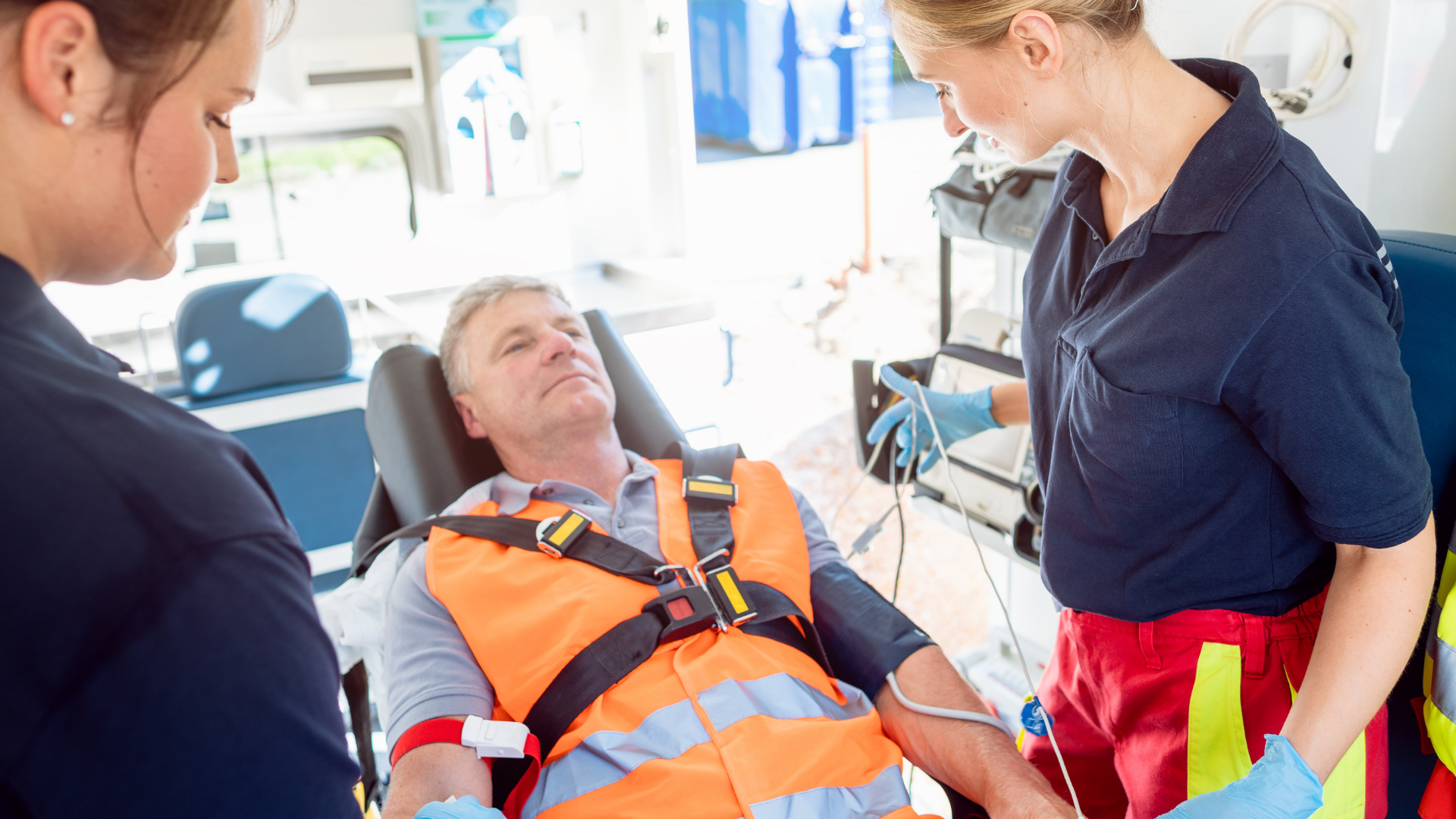
Call 911 immediately. Emergency medical personnel can begin evaluating the person during transportation and coordinate care with an appropriate hospital.
Do not attempt to drive yourself or someone experiencing possible stroke symptoms to the hospital.
If possible, note when symptoms first appeared or when the person was last known to be well. Healthcare professionals use this information to help determine appropriate treatment options. Do not delay calling 911 to gather this information.
Recovery Resources at RRH
For individuals recovering from a stroke, RRH also offers Physical Rehabilitation and Therapy services to help address challenges with movement, communication and daily activities.
A Little Knowledge Can Make a Big Difference
Taking a few moments to learn the warning signs of a stroke is a simple way to look out for yourself and the people around you.
Whether it's a family member, friend or someone in our community, recognizing when something isn't right can help someone receive the emergency care they need.
References
1. Centers for Disease Control and Prevention. Signs and Symptoms of Stroke. Updated May 19, 2026. CDC reference
2. American Stroke Association. Stroke Symptoms and Warning Signs. ASA reference
3. National Institute of Neurological Disorders and Stroke. Signs and Symptoms. NINDS reference
4. Aroor S, Singh R, Goldstein LB. BE-FAST (Balance, Eyes, Face, Arm, Speech, Time): Reducing the Proportion of Strokes Missed Using the FAST Mnemonic. Stroke. 2017;48(2):479–481. Research article.
5. Amin HP, et al. Diagnosis, Workup, Risk Reduction of Transient Ischemic Attack in the Emergency Department Setting: A Scientific Statement From the American Heart Association. Stroke. 2023;54(3):e109–e121. Scientific statement.
6. Prabhakaran S, et al. 2026 Guideline for the Early Management of Patients With Acute Ischemic Stroke: A Guideline From the American Heart Association/American Stroke Association. Stroke. 2026;57(8):e316–e436. 2026 clinical guideline.
7. Centers for Disease Control and Prevention. About Stroke. CDC reference.
Source note: These references identify the materials used to verify the medical information in this article. The inclusion of a source does not imply that the organization or its authors endorse Ridgecrest Regional Hospital or this article.
Medical Disclaimer: This article provides general educational information and is not a substitute for professional medical evaluation, diagnosis or treatment. If you suspect a stroke, call 911 immediately.