Sepsis: Know the Warning Signs
- Category: Health & Wellness, Blog
- Posted On:
- Written By: RRH

Knowing what to look for and acting quickly can help someone get the emergency care they need.
When an infection leads to sepsis, time matters. Sepsis is the body’s extreme response to an infection. It is a life-threatening medical emergency that develops when the body’s response begins damaging its own tissues and organs. Without fast treatment, sepsis can lead to organ failure and death.
How sepsis develops
Sepsis can begin with many different infections. Infections that lead to sepsis most often start in the gastrointestinal tract, lungs, skin or urinary tract.
Bacterial infections cause most cases of sepsis, but viral and fungal infections can also lead to it.
Anyone with an infection can develop sepsis. Many of its signs and symptoms can also occur with other medical conditions, and sepsis must be evaluated and diagnosed by a healthcare provider.
Warning signs to take seriously
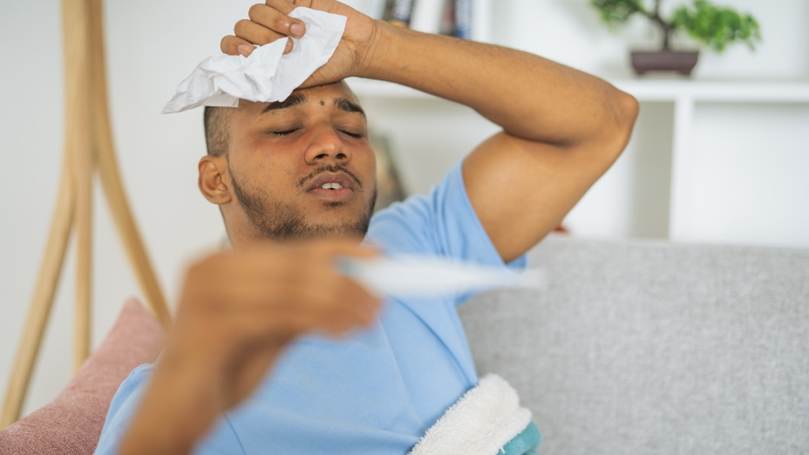
Sepsis can cause different signs and symptoms at different times. A person may experience one or more of the following:
- Confusion or disorientation
- Difficulty breathing or shortness of breath
- Extreme pain or discomfort
- Clammy or sweaty skin
- Fever, shivering or feeling very cold
- A high heart rate or weak pulse
Important: A person may experience one or more of these warning signs and does not need to have every symptom. These signs and symptoms can also be caused by other medical conditions. If sepsis is suspected, a healthcare provider should evaluate the person immediately.
Who may be at greater risk
Anyone can develop sepsis, but some people face a higher risk. This includes adults 65 or older and children younger than one. Risk is also higher for people with chronic medical conditions or weakened immune systems.
Higher-risk chronic conditions include diabetes and lung disease. Cancer and kidney disease can also increase the risk.
People who are pregnant or recently pregnant may also be at greater risk. The risk can also be higher for people who are hospitalized or were recently hospitalized.
Steps that can help prevent infections
Reducing the risk of sepsis begins with helping prevent infections. Talk with your healthcare provider about recommended vaccines and how to manage chronic health conditions.
Everyday hygiene also matters. Keep your hands clean, and keep cuts and wounds clean and covered until they heal.
When to seek medical help or call 911
If an infection is not improving or is getting worse, get medical care immediately. Ask, “Could this be sepsis?”
Sepsis is a medical emergency. Do not delay care. If the situation may be life-threatening, call 911.
References
- Centers for Disease Control and Prevention. About Sepsis. Updated and reviewed August 17, 2026. Accessed September 1, 2026.
- Centers for Disease Control and Prevention. Risk Factors for Sepsis. August 19, 2025. Accessed September 1, 2026.
- Centers for Disease Control and Prevention. Preventing Infections That Can Lead to Sepsis. August 19, 2025. Accessed September 1, 2026.
- World Health Organization. Sepsis. May 3, 2024. Accessed September 1, 2026.
- National Library of Medicine. Sepsis. MedlinePlus. Updated November 13, 2023. Accessed September 1, 2026.
- Singer M, Deutschman CS, Seymour CW, et al. The Third International Consensus Definitions for Sepsis and Septic Shock (Sepsis-3). JAMA. 2016;315(8):801–810. doi:10.1001/jama.2016.0287.
- National Library of Medicine. Emergency Medical Services. MedlinePlus. Updated May 24, 2026. Accessed September 1, 2026.
- Prescott HC, Antonelli M, Alhazzani W, et al. Surviving Sepsis Campaign: International Guidelines for Management of Sepsis and Septic Shock 2026. Critical Care Medicine. 2026;54(4):725–812. doi:10.1097/CCM.0000000000007075.
Source note: These references identify the materials used to verify the medical information in this article. The inclusion of a source does not imply that the organization or its authors endorse Ridgecrest Regional Hospital or this article.
Medical disclaimer: This article provides general educational information and is not a substitute for professional medical evaluation, diagnosis or treatment. If you believe a situation may be life-threatening, call 911.